Comprehensive Eye Exams

Complete vision and eye health evaluation by our board-certified ophthalmologists

Your Vision is Our Priority

A comprehensive eye exam is more than just checking if you need glasses. At Envision Eye Group, our thorough examination evaluates your complete eye health, screens for diseases, and ensures your vision is at its best.

Dr. Laiyin Ma and our team use state-of-the-art diagnostic equipment to detect conditions early, when they're most treatable. Whether you're due for a routine checkup or experiencing vision changes, we're here to help.

Board-Certified Ophthalmologist
Advanced Diagnostic Technology
Most Insurance Accepted
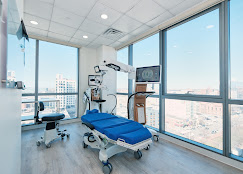
Eye examination at Envision Eye Group

What We Examine

Our comprehensive eye exam covers all aspects of your vision and eye health

Visual Acuity

Precise measurement of how well you see at various distances, determining if you need corrective lenses.

Eye Pressure (IOP)

Tonometry testing to measure intraocular pressure, a key indicator for glaucoma screening.

Retinal Examination

Detailed evaluation of your retina, optic nerve, and blood vessels for signs of disease.

Pupil Response

Assessment of how your pupils react to light, indicating neurological function.

Eye Movement

Evaluation of eye muscle coordination and alignment to detect strabismus or other issues.

Visual Field

Peripheral vision testing to detect blind spots that may indicate glaucoma or other conditions.

Who Should Get an Eye Exam?

Regular eye exams are essential for everyone, but especially important for:

  • Adults over 40 years old
  • People with diabetes or high blood pressure
  • Those with a family history of eye disease
  • Contact lens wearers
  • Anyone experiencing vision changes
  • People taking medications affecting vision
  • Those with previous eye injuries or surgeries

Signs You Need an Eye Exam

Schedule an appointment if you experience:

  • Blurred or double vision
  • Frequent headaches
  • Eye strain or fatigue
  • Difficulty seeing at night
  • Floaters or flashes of light
  • Dry, itchy, or red eyes
  • Difficulty reading or using screens

What to Expect

Your visit will be comfortable and thorough

1

Check-In

Arrive 15 minutes early to complete paperwork. Bring your insurance card, current glasses, and medication list.

2

Initial Testing

Our technician will measure your vision, eye pressure, and perform preliminary tests using advanced equipment.

3

Doctor Examination

Dr. Ma will thoroughly examine your eyes, discuss your vision needs, and answer all your questions.

4

Discussion & Plan

We'll explain our findings, provide prescriptions if needed, and schedule any follow-up care.

Note About Dilation: Your eyes may be dilated during the exam, which can cause temporary light sensitivity and blurred near vision for 4-6 hours. Consider bringing sunglasses and having someone drive you home.

Advanced Diagnostic Technology

We use cutting-edge equipment for precise diagnosis

Optical Coherence Tomography (OCT)

Non-invasive imaging that creates detailed cross-sections of your retina, helping detect macular degeneration, diabetic eye disease, and glaucoma.

Visual Field Analyzer

Computerized testing that maps your peripheral vision to detect early signs of glaucoma and neurological conditions.

Digital Retinal Imaging

High-resolution photographs of your retina that we can compare year-to-year to track any changes.

Corneal Topography

Detailed mapping of your cornea's surface for contact lens fitting and detecting conditions like keratoconus.

Specialized Eye Exams

We offer focused examinations for specific needs

Diabetic Eye Exam

Essential for diabetes patients. We thoroughly examine your retina for diabetic retinopathy, a leading cause of blindness that can be prevented with early detection.

Glaucoma Screening

Comprehensive evaluation including eye pressure, optic nerve assessment, and visual field testing to detect and monitor glaucoma.

Contact Lens Exam

Specialized fitting and evaluation for all types of contact lenses, including specialty lenses for astigmatism and multifocal needs.

Pediatric Eye Exam

Age-appropriate evaluation for children to ensure healthy vision development and detect conditions like lazy eye early.

Frequently Asked Questions

Adults aged 18-60 with no risk factors should have a comprehensive eye exam every 2 years. Those over 60, or with diabetes, high blood pressure, or family history of eye disease should have annual exams. If you wear contact lenses, annual exams are required.

An ophthalmologist is a medical doctor (MD) who completed medical school plus additional years of specialized training. They can perform eye surgery, treat all eye diseases, and prescribe glasses. An optometrist (OD) provides primary vision care, prescribes glasses, and treats some conditions but cannot perform surgery. At Envision Eye Group, Dr. Ma is a board-certified ophthalmologist.

A typical comprehensive eye exam takes 45-60 minutes. If dilation is performed, you should plan for additional time as the drops take about 20-30 minutes to take full effect. We recommend allowing 1.5-2 hours for your visit.

Dilation is often recommended as it allows Dr. Ma to thoroughly examine your retina and optic nerve. The drops cause temporary light sensitivity and blurred near vision lasting 4-6 hours. Bring sunglasses and consider having someone else drive you home.

Please bring: your insurance card, photo ID, current glasses or contact lenses, a list of current medications, any previous eye records if available, and sunglasses for after dilation. If you're a new patient, arrive 15 minutes early to complete paperwork.

Most medical insurance plans cover comprehensive eye exams, especially when related to medical conditions like diabetes or glaucoma. We accept Medicare, Medicaid, and most major insurance plans. Please call us to verify your coverage before your visit.

If your eyes are dilated, your vision will be blurry and light-sensitive for several hours. We recommend having someone else drive you home. If dilation isn't performed, you should be able to drive normally after your exam.

If you experience sudden vision loss, severe eye pain, eye injury, or see flashes of light with many new floaters, call us immediately at (929) 533-1633. We accommodate urgent cases as quickly as possible. For after-hours emergencies, go to the nearest emergency room.

Schedule Your Eye Exam Today

Don't wait until you notice vision problems. Regular eye exams can detect issues early, when they're most treatable.