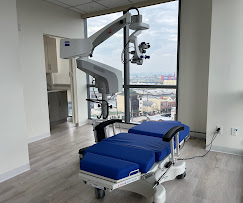
Comprehensive treatment for dry eyes, blepharitis, and other ocular surface conditions
Dry eye disease affects millions of Americans, causing discomfort, blurred vision, and decreased quality of life. At Envision Eye Group, we take a comprehensive approach to diagnosing and treating ocular surface conditions.
Dr. Laiyin Ma and our team use advanced diagnostic tools to identify the root cause of your symptoms and create a personalized treatment plan to restore comfort and clarity to your eyes.
A complex condition with multiple causes
Dry eye disease occurs when your eyes don't produce enough tears, or when your tears evaporate too quickly. The tear film has three layers — oily, watery, and mucus — and problems with any layer can cause dry eye symptoms.
This chronic condition affects up to 50% of adults and becomes more common with age. While it's rarely sight-threatening, untreated dry eye can significantly impact your comfort and quality of vision.
Your tear glands don't produce enough watery tears. Common in autoimmune conditions like Sjögren's syndrome, and as a side effect of certain medications.
The most common type. Tears evaporate too quickly due to oil gland dysfunction (MGD), incomplete blinking, or environmental factors.
Many patients have components of both aqueous deficiency and evaporative dry eye, requiring a combined treatment approach.
Dry eye can cause a variety of symptoms that affect your daily life:
Certain factors increase your likelihood of developing dry eye:
Comprehensive care for all ocular surface disorders
Chronic tear film instability causing discomfort and visual disturbance. We identify the underlying cause and create targeted treatment plans.
Blocked or dysfunctional oil glands in your eyelids. The leading cause of evaporative dry eye, often accompanied by blepharitis.
Inflammation of the eyelids causing redness, crusting, and irritation. Can be anterior (outer eyelid) or posterior (inner eyelid/MGD-related).
Eye involvement in rosacea, causing chronic inflammation, redness, and dry eye symptoms that require specialized management.
Eye allergies causing itching, redness, and tearing. Often coexists with dry eye, requiring combined treatment approaches.
Autoimmune condition affecting tear production. Requires close collaboration with rheumatology for comprehensive care.
A stepwise approach tailored to your needs
We'll discuss your symptoms, their severity, triggers, and how they affect your daily life using validated questionnaires.
Tear film analysis, meibomian gland imaging, tear breakup time, and other tests to identify the root cause.
Based on your diagnosis, we'll create a personalized treatment plan targeting your specific type of dry eye.
Regular follow-ups to monitor progress and adjust treatment. Dry eye is a chronic condition requiring ongoing management.
This seems counterintuitive, but it's called "reflex tearing." When your eyes are dry and irritated, they respond by producing a flood of watery tears. However, these emergency tears are mostly water and lack the oils and mucus needed to lubricate properly, so they don't relieve the dryness and just run down your face.
Dry eye is typically a chronic condition that can be effectively managed but not permanently cured. With proper treatment, most patients experience significant relief and improved quality of life. The key is identifying the underlying cause and maintaining consistent treatment over time.
For mild dry eye, preservative-free artificial tears may provide adequate relief. However, many patients need prescription medications, procedures, or a combination approach to effectively manage their symptoms. Importantly, overusing preserved drops can actually worsen dry eye. If OTC drops aren't helping, it's time to see a specialist.
Meibomian Gland Dysfunction (MGD) is when the oil-producing glands in your eyelids become blocked or produce poor-quality oils. These oils normally form the outer layer of your tear film, preventing evaporation. MGD is the leading cause of dry eye, responsible for up to 86% of cases. Without treatment, the glands can atrophy and permanently lose function.
When focusing on screens, we blink about 60% less than normal. This incomplete blinking allows tears to evaporate faster and prevents proper meibomian gland expression. Following the 20-20-20 rule (every 20 minutes, look at something 20 feet away for 20 seconds) and practicing complete blinks can help.
Punctal plugs are tiny silicone or collagen devices inserted into your tear drainage channels (puncta). They work like a drain stopper, keeping more of your natural tears on the eye surface. The procedure is quick, painless, and reversible. They can be temporary (dissolving) or semi-permanent.
Yes, dry eye can cause blurred or fluctuating vision. The tear film is actually the first focusing surface of your eye. When it's unstable, light doesn't refract properly, causing vision that may clear temporarily with blinking. Severe untreated dry eye can also damage the cornea, leading to more serious vision problems.
Most medical insurance, including Medicare, covers diagnosis and treatment of dry eye disease as a medical condition. Prescription medications like Restasis and Xiidra are typically covered with varying copays. Some advanced treatments like LipiFlow may or may not be covered depending on your plan. We'll help verify your coverage.
Don't let dry eye symptoms affect your quality of life. Schedule an evaluation with Dr. Ma to get a proper diagnosis and personalized treatment plan.